


Understanding the Request for Access: A Comprehensive Guide
In today’s interconnected world, the demand for transparency and accountability is at an all-time high. Individuals and organizations increasingly seek access to information that affects their interests, prompted by legal rights and the intention to ensure fairness. Understanding the request for access procedure requires an exploration of the legal frameworks, processes, and potential challenges involved.
What is a Request for Access?
A request for access is a formal appeal made to obtain information or documents from a government body, an organization, or any institution that holds data pertinent to the requester. This can encompass various types of information, including personal data, governmental records, and organizational publications. Depending on the jurisdiction, different laws govern the process of access requests.
The Legal Framework
The legal framework surrounding requests for access varies by country, with specific laws put in place to uphold the public’s right to know. For instance, the Freedom of Information Act (FOIA) in the United States sets parameters for how citizens can request information from federal agencies. Similar laws exist in many other countries, often under different names, such as the Access to Information Act in Canada or the Right to Information Act in India.
These laws generally establish the principle that government information should be made available to the public, with certain exceptions to protect sensitive data, national security, and personal privacy. It is crucial to familiarize oneself with the local laws affecting access requests, as this knowledge will guide the drafting of the request and increase the chances of approval.
Types of Information Requests
Requests for access can vary widely based on the type of information being sought. Here are a few common categories:
- Personal Data Requests: These involve requests for information about oneself, often governed by data protection laws such as the General Data Protection Regulation (GDPR) in the European Union.
- Public Records Requests: Such requests seek information contained in government records, including meeting minutes, financial reports, and official correspondence.
- Corporate Records Requests: These requests may seek access to an organization’s internal documents, particularly if the organization is publicly funded or falls under specific regulatory frameworks.
- Judicial or Police Records Requests: Requests in this category often pertain to legal proceedings or police investigations, which may have additional privacy and security considerations.
Drafting an Effective Request
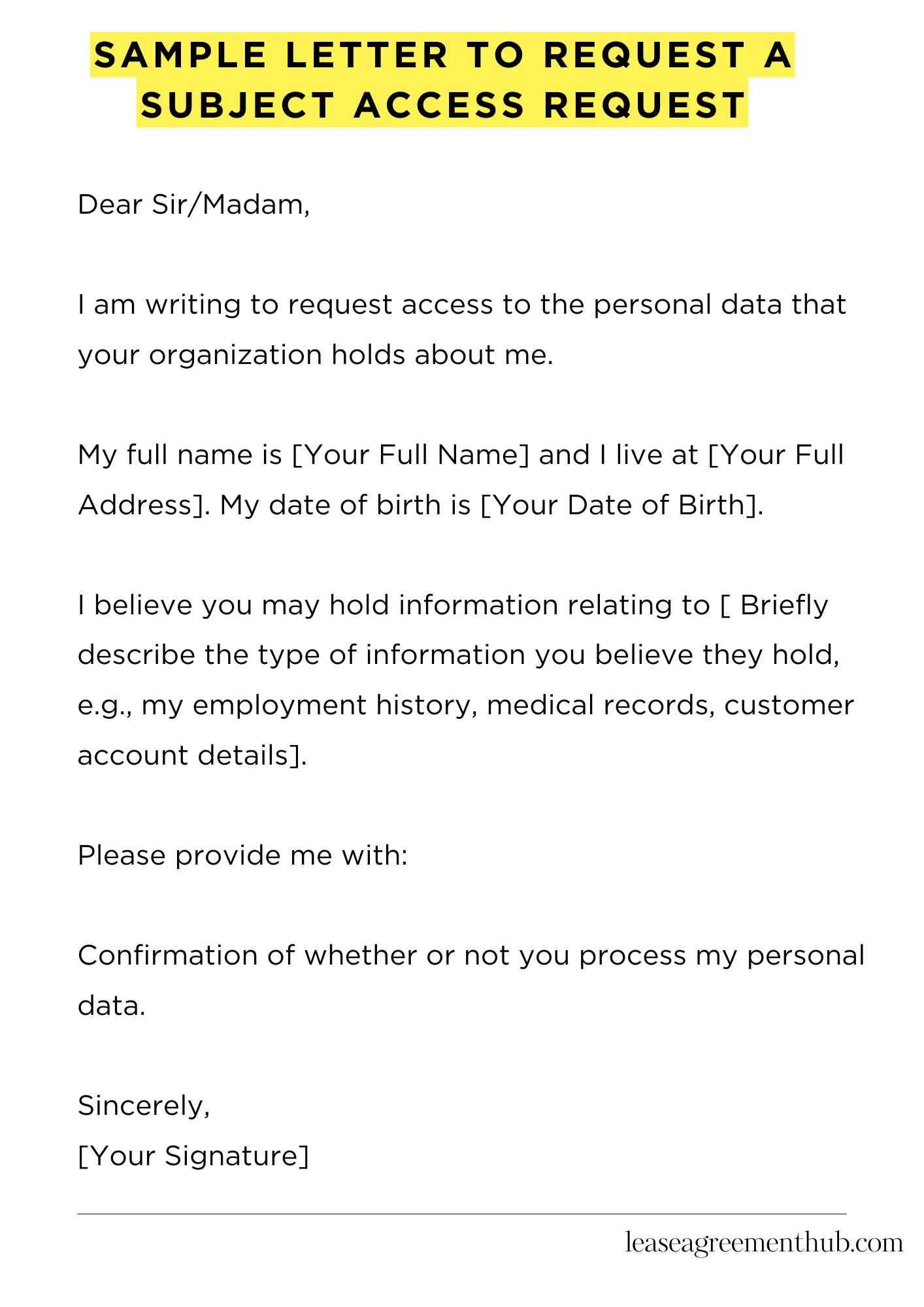
Creating a well-structured request is essential for improving the likelihood of success. Here are several key components to include:
- Clearly Identify Yourself: Provide your full name, address, and contact information to allow the responding entity to communicate with you effectively.
- Specify the Information Requested: Be precise about the documents or information you seek. Ambiguities can lead to delays or denials.
- State the Purpose: While not always required, stating the purpose of your request can sometimes help clarify why you need the information.
- Reference the Legal Basis: Mention the relevant legal framework or act under which you are making your request, as this can lend credibility to your appeal.
- Include a Deadline: Indicate a reasonable time frame within which you expect a response. This can prompt a timely reply.
Challenges You May Encounter
Despite having the legal right to request information, individuals often face several challenges in the process:
- Denial of Access: Authorities may deny requests based on exemptions allowed under the law, such as national security concerns or invasion of privacy.
- Delays: The processing of requests can sometimes take longer than anticipated, leading to frustration.
- Incomplete Responses: Some requests may yield only partial information, necessitating follow-ups or appeals.
- Complex Legal Language: Understanding the legal jargon presented in response to requests can pose a barrier for the average requester.
Next Steps if Denied Access
If your request for access is denied, you have several options:
- Seek Clarification: Contact the office that denied your request to understand the reasons for the denial.
- File an Appeal: Most jurisdictions provide a process for appealing a denial. Follow the stipulated process carefully.
- Contact Advocacy Groups: Reach out to organizations that specialize in freedom of information advocacy for guidance.
- Consider Legal Action: If all else fails, you may have the option of pursuing legal avenues to enforce your right to access.
Conclusion
A request for access is a powerful tool for promoting transparency and accountability in both governmental and organizational practices. By navigating the complexities of the request process with knowledge and preparation, individuals can effectively exercise their rights to information. Whether you are seeking personal data, public records, or corporate documents, understanding your legal rights and the request mechanisms available is crucial in empowering yourself as a proactive citizen.
In summary, ensure you are familiar with the legal frameworks governing access requests, clearly articulate your needs when drafting your request, and be prepared to handle potential challenges. Remember, knowledge is power, and understanding your rights can lead to greater transparency and accountability in your community.
