

Understanding the psychology behind gambling behavior and its impact on decision-making
The Allure of Gambling
The psychology of gambling is deeply intertwined with the thrill and excitement it brings to players. Many individuals are drawn to gambling as a form of entertainment, driven by the possibility of winning big. This excitement can create a rush of adrenaline, leading to impulsive decision-making. The anticipation of a win can cloud judgment and encourage players to take risks they might otherwise avoid. To explore a dynamic gaming atmosphere, you can check out pin up casino india, where the experience is orchestrated to optimize user engagement.
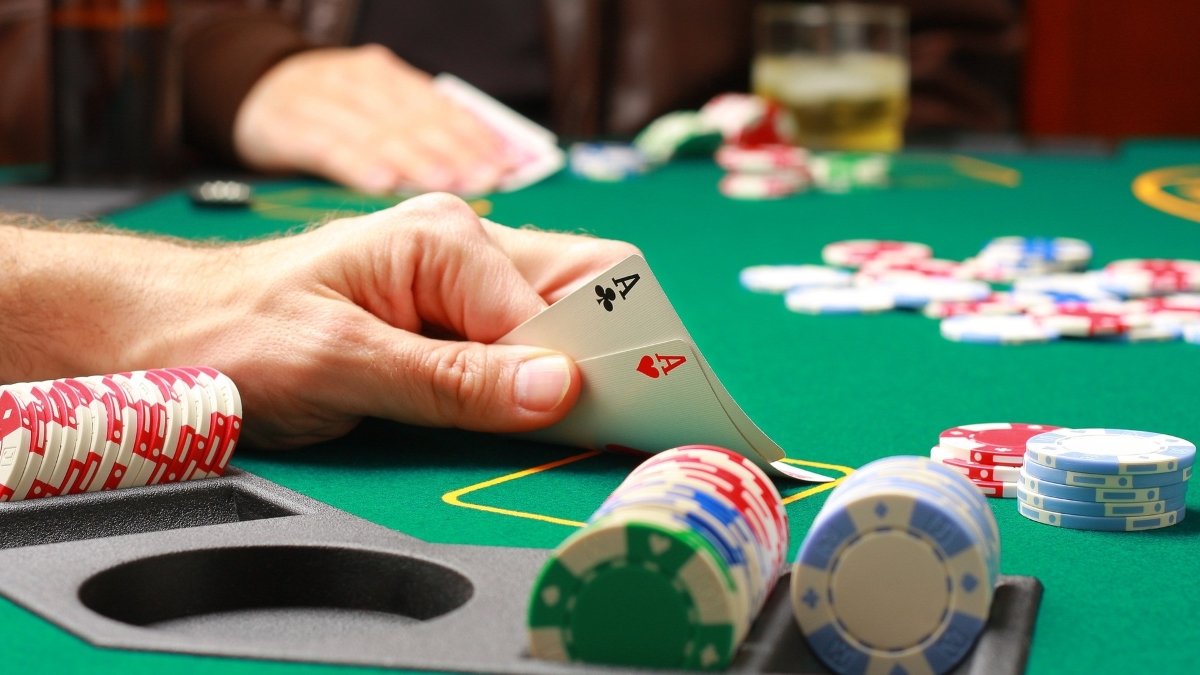
Moreover, this allure is often compounded by the social aspect of gambling. The shared experience with friends or strangers in a casino setting can enhance the enjoyment and make it difficult for individuals to walk away. This social environment reinforces the idea that gambling is not just a solitary activity but a communal event that increases its appeal.
Cognitive Biases in Gambling
Cognitive biases play a significant role in how individuals approach gambling. One common bias is the illusion of control, where players believe they can influence outcomes despite the inherent randomness of games. This belief can lead to overconfidence and poor decision-making, as individuals may continue to gamble under the false impression that they can change their luck.
Another key cognitive bias is the gambler’s fallacy, which is the mistaken belief that past outcomes will influence future events. For instance, a player might think that a particular slot machine is “due” for a win after a series of losses. These biases not only affect personal decision-making but can also lead to patterns of behavior that perpetuate gambling habits, often at the expense of financial stability.
The Impact of Emotional Factors
Emotions significantly influence gambling behavior and decision-making processes. Many individuals gamble to escape negative feelings such as stress, anxiety, or depression. This emotional reliance can create a cycle where individuals gamble more when they are feeling down, which often leads to greater losses and increased emotional distress.
Conversely, the euphoric feelings associated with wins can create a dependency on gambling for emotional regulation. When players experience a win, their brains release dopamine, a chemical associated with pleasure. This reward can encourage continued gambling, making it challenging for individuals to recognize when their behavior has become problematic.
Strategies for Responsible Gambling
Understanding the psychology behind gambling can help individuals develop strategies for responsible gaming. Setting clear limits on time and money spent on gambling is crucial. By establishing boundaries, players can enjoy the entertainment aspect without falling into harmful patterns of behavior.
Additionally, being aware of cognitive biases can empower individuals to make informed decisions. Recognizing when emotions are driving gambling behavior can help players step back and evaluate their choices. This self-awareness is key to maintaining a healthy relationship with gambling and ensuring it remains a form of entertainment rather than a harmful addiction.

Gaming at Pin Up Casino India
Pin Up Casino India offers an engaging and secure gaming environment that prioritizes user experience and safety. With a variety of skill-based arcade games, players can enjoy exciting adventures while testing their timing and reflexes. The platform ensures that all personal and financial information remains protected with advanced encryption technologies.
The app is designed for seamless access on both Android and iOS devices, allowing players to dive into thrilling gaming experiences anytime, anywhere. By fostering a responsible gaming atmosphere, Pin Up Casino aims to provide enjoyment while encouraging players to engage in safe gambling practices.
